Local co-op and the 7-player trick
One line in the store description is easy to skim past: seven local players can join online from a single PC.
Steam lists Shared/Split Screen Co-op and full controller support. Local play is 2 to 8 players, though the PS5 listing says 1 to 4 locally. Up to 7 local players can join an online session from one PC.
One sentence in the store description does more work than the rest of the marketing copy combined. Up to seven local players can join online from a single PC. That is not a typo, and it is not a feature every co-op game has.
Most games that support eight players make you choose. Either everybody is in the room, or everybody is online. This one lets seven people sit at one machine and play with a remote friend, all through one copy.
Local play, as tagged
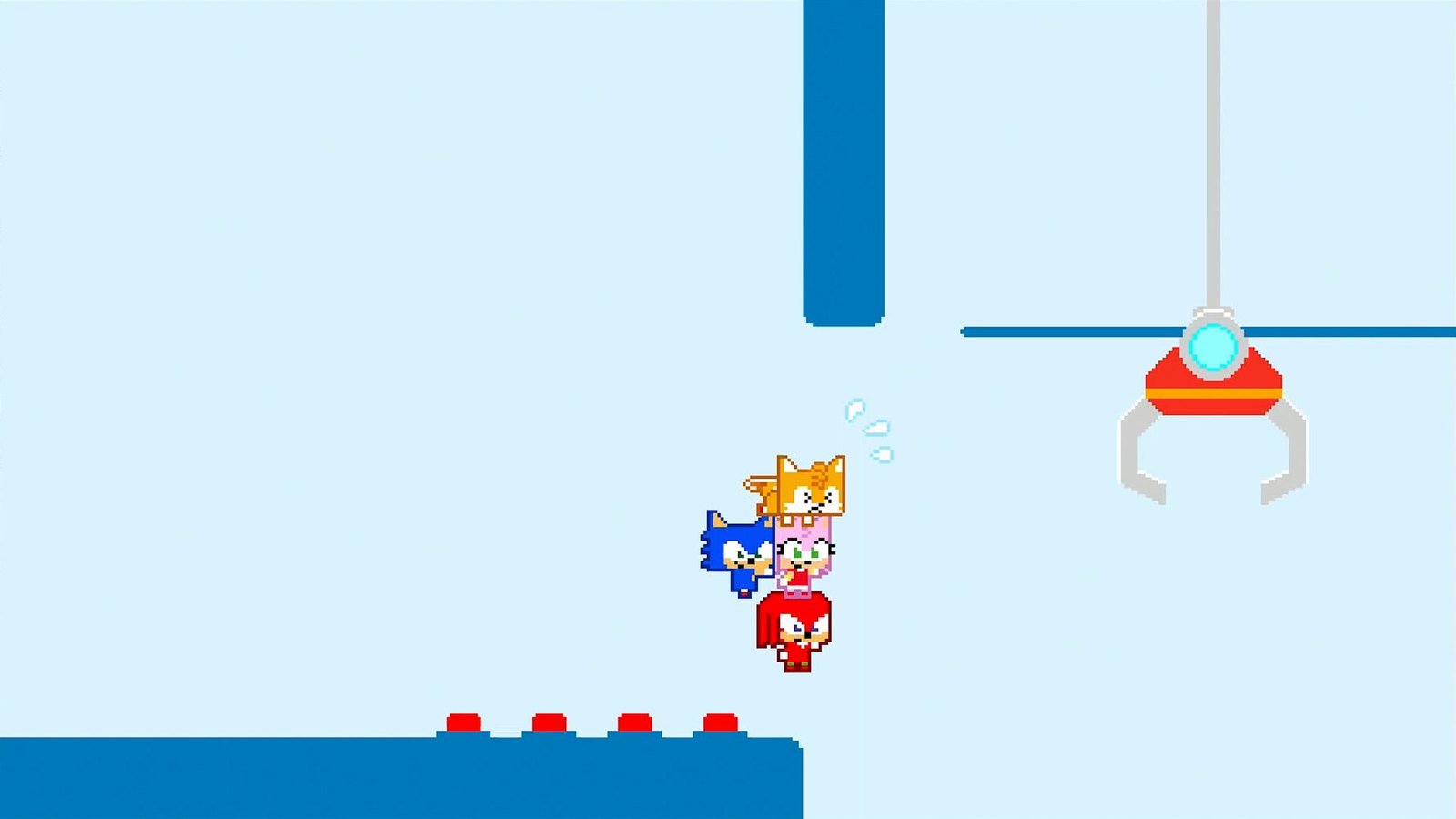
Two tags on the Steam page cover it: Shared/Split Screen Co-op and Shared/Split Screen. Both are present, which means the game supports both the shared-screen style (everyone in one camera view, the PICO PARK default) and a split-screen mode.
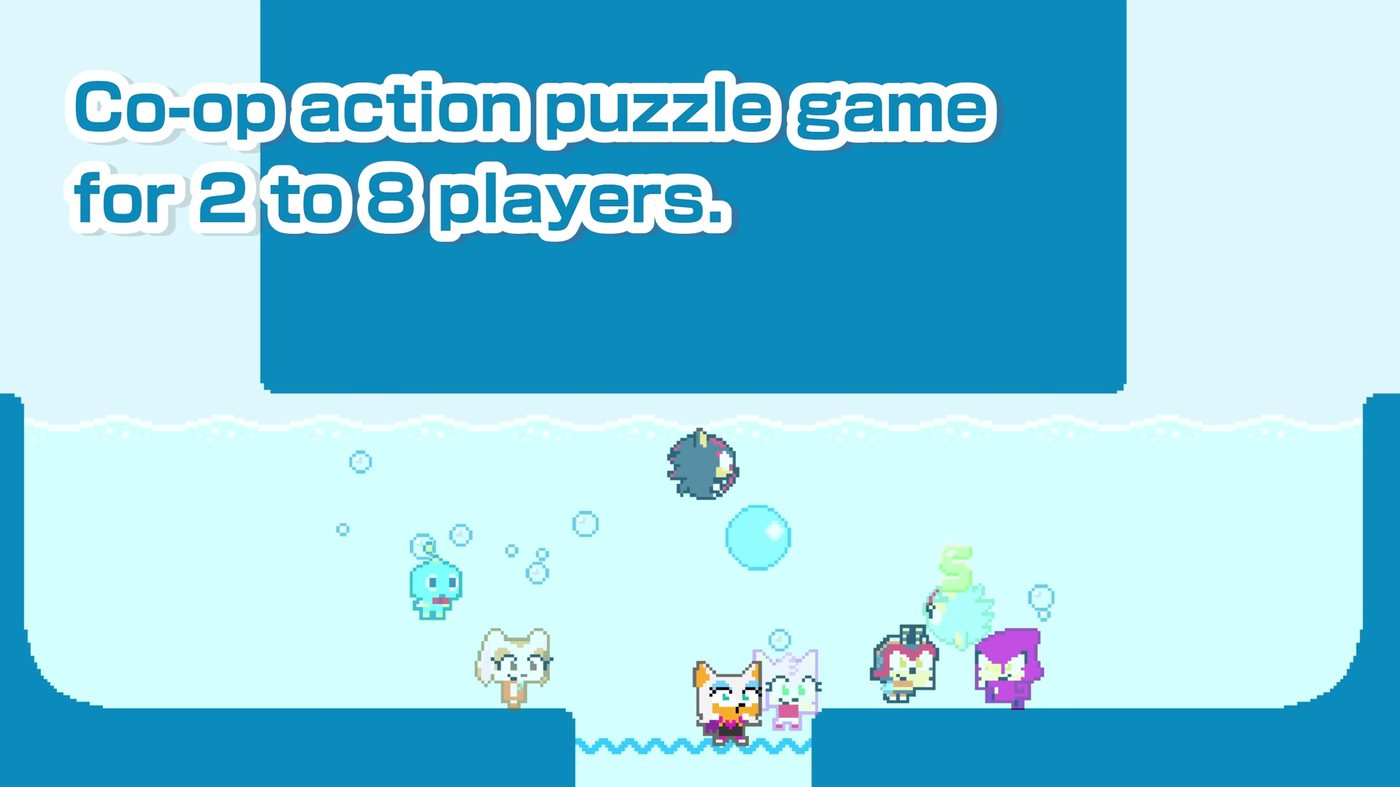
The store description puts the local range at 2 to 8 players, and the Nintendo listing says the same thing in its own words: single system, 2 to 8.
| Question | Answer | Source |
|---|---|---|
| Local player minimum | 2 | Store description and Nintendo listing |
| Local player maximum | 8 | Store description and Nintendo listing |
| Shared screen supported | Yes | Shared/Split Screen Co-op tag |
| Split screen supported | Yes | Shared/Split Screen tag |
| Controllers required | Full controller support listed | Steam category list |
| Local max on PS5 | 1-4 | PlayStation Store listing |
That PS5 row is the outlier and worth flagging before you invite seven people around a television. The PlayStation listing states 1 to 4 players locally while saying up to 8 online. The other listings say 2 to 8 for local.
Seven local players, one connection
Read the store line carefully: up to 7 local players can join online from a single PC. Seven local, plus at least one remote, makes eight. The wording implies the eighth seat is the remote player.
Why this matters in practice comes down to three situations.
A party with one absent friend. Seven people in a living room, one friend on Discord. One PC, one copy, one connection, and the remote player is in the same lobby as everyone else.
A tournament or a club night. One machine can host a full local team without buying seven copies. The single-PC limit is the bottleneck on hardware, not on licences.
A family with one gaming PC. The PC becomes the shared console for local play, and the online session is one button away rather than one copy per person.
Controllers and inputs
Full controller support is listed, along with DualShock, DualSense and Steam Input API support. In plain terms: modern PlayStation pads work on the PC version, and Steam Input will remap almost anything else.
For eight local players you need eight inputs. That usually means a USB hub and a mix of pads, because very few PCs have eight working controller ports. The game does not state a limit on how many pads one machine will accept beyond the seven-local-online line.
Sitting down to play local, in order
- Decide the screen mode first. Shared screen keeps everyone in one camera, which suits the PICO PARK formula because the puzzle is about seeing the same thing. Split screen is the alternative when players scatter.
- Connect the pads before launching. Steam Input will pick them up, and the controller tags on the store page suggest the game expects them rather than a keyboard queue.
- Count people against the platform limit. Eight on PC and Switch, four locally on PS5 per its listing, two minimum everywhere.
- Test one stage with the full group. Party size changes the puzzle, so a two-player test does not tell you whether an eight-player group can clear a stage built around stacking.
- Add remote players last. Get the room working first, then bring the online session in, so you know which side a bug is on.
Where that leaves online
Local is the mode with the clearest documentation. Online is confirmed to exist, confirmed to support crossplay, and not documented in any more detail than that. The multiplayer page has the four setups compared; crossplay covers what the two crossplay tags do and do not guarantee.
If you are buying specifically for a big local group, the platforms page is worth reading before you pick a storefront, because the local player cap is not the same on every one.